

Introduction
Rap Icon is a Pakistani rap reality show that brings underground and emerging hip-hop artists into a competitive televised format. The show has attracted attention because it connects established rap figures with newer performers and gives audiences a closer look at Pakistan’s growing hip-hop culture. Recent coverage identifies Talha Anjum and Bohemia among the show’s judges and highlights its role in bringing Pakistan’s underground rap scene to a wider audience.
For Indian audiences interested in hip-hop, Rap Icon is particularly relevant because Pakistani and Indian rap scenes share several cultural, linguistic, and musical connections. This guide explains what Rap Icon is, how the show works, why it matters, the artists associated with it, what viewers can learn from it, and how the program fits into the wider South Asian hip-hop landscape.
What Is Rap Icon?
Rap Icon is a Pakistani rap-focused reality show designed to showcase emerging rap talent. Instead of focusing primarily on conventional singing, the program puts attention on elements that define hip-hop performance, including lyric writing, flow, delivery, rhythm, confidence, stage presence, and individuality.
The show is also connected to Pakistan’s underground rap culture. That makes it different from a conventional mainstream singing competition because contestants are expected to demonstrate their identity as rappers rather than simply reproduce popular songs.
The program has generated discussion among hip-hop listeners because it gives newer artists an opportunity to perform in front of recognizable names from the Pakistani rap industry.
Who Are the Judges of Rap Icon?
One of the most notable features of Rap Icon is its association with established figures from Pakistani hip-hop.
Talha Anjum
Talha Anjum is one of the best-known contemporary names in Pakistani hip-hop. As part of Young Stunners, he has played an important role in bringing Urdu rap to a broader audience.
His involvement gives contestants exposure to an artist who has experience with songwriting, recording, collaborations, live performance, and building an audience.
For aspiring rappers, his presence also makes the judging process interesting because contestants are being evaluated within a culture that has developed rapidly in Pakistan.
Bohemia
Bohemia is another major name associated with South Asian rap. He is widely recognized for his contribution to Punjabi rap and for helping popularize a distinct desi hip-hop sound.
His involvement creates an interesting connection between different generations of South Asian rap. Younger performers can be evaluated by someone whose career helped establish rap as a recognizable part of the regional music industry.
Why Is Rap Icon Important for South Asian Hip-Hop?
Rap Icon matters because reality television can expose underground artists to people who may never discover them through local cyphers, independent releases, or small live performances.
Pakistan has developed a strong hip-hop community over the years. Artists such as Young Stunners, Faris Shafi, Rap Demon, Eva B, and others have contributed to different sides of the country’s rap movement.
Recent reporting on Rap Icon describes the program as part of a broader shift in which rap and hip-hop have moved closer to the mainstream in Pakistan.
For Indian listeners, this development is worth watching because South Asian hip-hop is no longer limited to one language or one country.
Rap Icon and the Connection With India
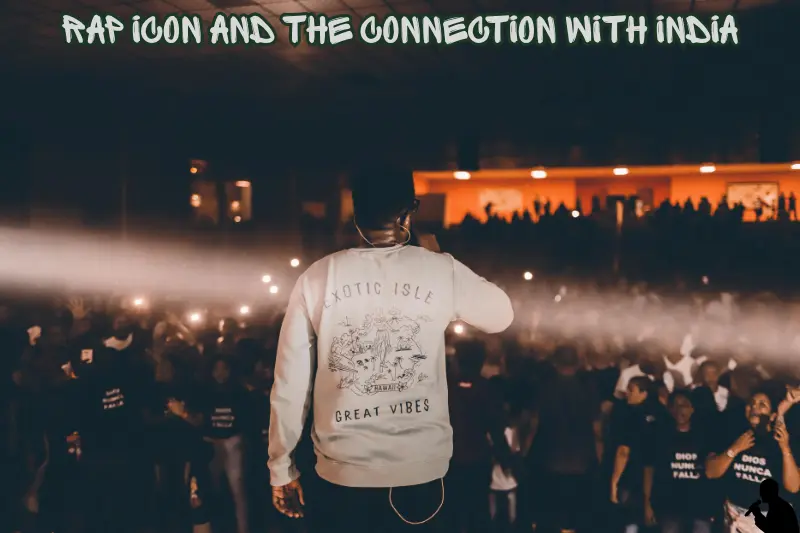
Indian audiences already have significant exposure to hip-hop through artists, independent releases, streaming platforms, music festivals, and rap competitions.
Shows such as MTV Hustle helped demonstrate that a large Indian audience could engage with competitive rap formats. Rap Icon represents a Pakistani example of a similar broader movement, although its format, culture, artists, and production environment are different.
The comparison can be useful without assuming that both countries have identical hip-hop scenes.
Indian hip-hop has developed around languages such as Hindi, Punjabi, Marathi, Tamil, Telugu, Bengali, Malayalam, and others. Pakistan’s scene similarly includes Urdu, Punjabi, Pashto, Sindhi, and regional influences.
This multilingual character is one of the most interesting aspects of South Asian rap.
What Makes a Rapper an “Icon”?
The phrase “rap icon” should not simply mean a rapper who is popular for a short period.
A genuine rap icon generally develops influence through a combination of:
- Strong lyrical identity
- Distinctive flow
- Consistent musical output
- Cultural influence
- Originality
- Live performance ability
- Connection with listeners
- Long-term relevance
- Contribution to the genre
- Ability to inspire newer artists
Popularity is only one part of the equation.
A rapper may become famous because of a viral song, while another artist may have a smaller audience but significantly influence the development of an underground scene.
That distinction is important when evaluating contestants on a rap competition.
How Does a Rap Competition Work?
A rap competition generally tests several skills rather than one specific ability.
1. Lyric Writing
Good rap writing requires more than rhyming words.
A strong rapper can communicate an idea, create imagery, use wordplay, develop a story, and maintain rhythm simultaneously.
For example, a contestant may be asked to write about personal experiences, social issues, competition, relationships, ambition, or everyday life.
2. Flow
Flow refers to how a rapper delivers words over the beat.
A technically strong flow can change according to the tempo, rhythm, syllable placement, pauses, and structure of a song.
Two rappers can use the same beat and create completely different performances because their flows are different.
3. Delivery
Delivery is the way lyrics are performed.
Tone, pronunciation, energy, timing, emphasis, and emotion can completely change how listeners experience the same written verse.
A technically impressive verse can still feel weak if it is delivered without confidence or appropriate emotion.
4. Beat Selection
A rapper needs to understand whether their writing fits the instrumental.
A slow, atmospheric beat may require a different approach from an aggressive boom-bap instrumental or a modern trap production.
Beat selection therefore becomes part of an artist’s identity.
5. Stage Presence
Rap is not only about what appears on paper.
A competition performer must communicate with an audience. Eye contact, movement, confidence, timing, facial expression, and physical control can all affect the performance.
Rap Icon Contestants and Emerging Talent

One of the show’s most interesting elements is its focus on emerging rappers.
Coverage and online discussion around the program have highlighted contestants including Shishu Herry and other performers appearing across its episodes. Apple Music listings also show multiple releases connected with Rap Icon episodes and Shishu Herry.
This type of exposure can be valuable for artists who previously relied primarily on underground communities.
A television or streaming audience can introduce a rapper to listeners who would otherwise never encounter their music.
However, appearing on a competition does not automatically guarantee a sustainable career.
Artists still need strong songwriting, consistent releases, professional production, audience development, and a distinctive identity after the show.
What Can New Rappers Learn From Rap Icon?
Aspiring artists can treat Rap Icon as more than entertainment.
The performances can provide practical lessons about competitive rap.
Study the Writing
Pay attention to:
- Internal rhymes
- Multisyllabic rhymes
- Wordplay
- Storytelling
- Punchlines
- Metaphors
- Topic development
Do not only listen for the final rhyme at the end of each line.
Study the Flow
Listen to where performers place their syllables.
Notice how they change speed, pause before important words, switch patterns, or deliberately leave space in the beat.
Study the Delivery
Ask yourself why one performance feels more powerful than another.
Often, the difference is not the lyrics alone. Vocal control and confidence can dramatically change the result.
Study Originality
One common challenge for new rappers is sounding too much like their influences.
Learning from established artists is normal, but copying their exact voice, flow, vocabulary, or personality can make an artist difficult to distinguish.
The strongest long-term strategy is to develop a recognizable sound.
The Role of Technology in Modern Rap
Technology has changed how rappers create and distribute music.
A modern independent artist can use software and online services for:
- Beat production
- Vocal recording
- Audio editing
- Mixing
- Artwork
- Video production
- Social media publishing
- Audience analytics
- Music distribution
- Content scheduling
This is where the subject can also connect naturally with the SaaS industry.
Software-as-a-Service platforms can help independent artists manage parts of their creative and business workflows without maintaining expensive technical infrastructure themselves.
For example, a rapper can use cloud-based tools for project management, collaborative songwriting, content calendars, design, analytics, and communication.
Technology does not replace musical ability, but it can reduce friction around the business side of an artist’s career.
Rap and the Growing Creator Economy
The modern rapper is often more than a recording artist.
An independent musician may simultaneously operate as:
- Performer
- Songwriter
- Content creator
- Brand manager
- Social media publisher
- Entrepreneur
- Community builder
This creates opportunities for software companies serving musicians and creators.
A SaaS platform designed for creators could help manage releases, campaigns, collaborations, publishing schedules, fan communications, or performance data.
The key lesson is that artistic success increasingly involves both creativity and organization.
Benefits of Rap Icon for Emerging Artists
A competitive rap platform can offer several potential advantages.
Greater Exposure
Performing in front of a large audience can introduce a new rapper to listeners beyond their local community.
Professional Experience
Contestants can learn how to work under deadlines, perform under pressure, and respond to feedback.
Networking
Artists can potentially connect with producers, musicians, creators, industry professionals, and other rappers.
Audience Building
A strong performance can encourage viewers to search for an artist’s independent music.
Competition
Competitive environments can reveal areas where an artist needs improvement.
These benefits are valuable, but they depend on what artists do after the competition.
Limitations of Rap Competitions
A reality show cannot provide a complete measurement of an artist’s potential.
Several limitations should be considered.
First, a television performance is only one moment in an artist’s development.
Second, editing and production can affect how viewers experience a performance.
Third, judging is inherently subjective. Different listeners may value lyrics, flow, melody, originality, delivery, or commercial appeal differently.
Fourth, competition success does not necessarily translate into long-term music success.
An artist’s career is usually shaped by many releases, collaborations, performances, audience relationships, and decisions made after the competition.
Rap Icon vs. Traditional Music Competitions
| Feature | Rap-focused competition | Traditional singing competition |
|---|---|---|
| Main skill | Rap performance | Vocal performance |
| Writing | Often central | May be less central |
| Flow | Essential | Usually less important |
| Wordplay | Highly relevant | Depends on genre |
| Beat interaction | Very important | Important but different |
| Stage presence | Important | Important |
| Genre identity | Hip-hop focused | Often broader |
This comparison is not about which format is better. They simply measure different types of musical performance.
Common Mistakes New Rappers Should Avoid
Copying Famous Rappers
Influences are useful, but imitation can prevent an artist from developing an identity.
Prioritizing Speed Over Meaning
Fast rapping can sound impressive, but speed alone does not create a strong song.
Ignoring Production
Good lyrics can lose their impact if recording, mixing, beat selection, or mastering is poorly handled.
Writing Without Structure
A collection of rhymes is not automatically a complete song.
Artists should understand verses, hooks, transitions, themes, and overall progression.
Chasing Every Trend
Trends can provide temporary attention, but a consistent artistic identity is more sustainable.
Neglecting Business Skills
Artists also need to understand releases, promotion, rights, collaborations, scheduling, and audience management.
How Indian Hip-Hop Fans Can Follow Rap Icon
Indian viewers interested in Pakistani hip-hop can approach the show as a way to explore another part of South Asian rap culture.
A useful approach is to:
- Watch performances without judging only by popularity.
- Pay attention to lyrics and flow.
- Explore the contestants’ independent music.
- Learn about Pakistani hip-hop history.
- Compare different regional styles.
- Discover artists beyond the most visible contestants.
- Follow official music releases rather than relying only on short clips.
This can help listeners understand how rap develops differently across South Asian communities.
For readers interested in Pakistani hip-hop and digital creativity, explore our related guides on AI music tools, creator software, and digital marketing tools. These resources can help musicians and content creators discover practical technologies for creating, managing, and promoting their work online.
For reliable information about copyright, music ownership, and intellectual property rights, readers can refer to the World Intellectual Property Organization (WIPO). Its resources provide useful guidance for creators who publish music and other original content.
Frequently Asked Questions
What is Rap Icon?
Rap Icon is a Pakistani rap-focused reality show that provides a competitive platform for emerging hip-hop artists. The program has attracted attention for its connection to Pakistan’s underground rap culture and established figures such as Talha Anjum and Bohemia. It gives viewers an opportunity to discover newer rappers and observe different approaches to lyrics, flow, delivery, and performance.
Who are the judges of Rap Icon?
Talha Anjum and Bohemia are among the prominent judges associated with Rap Icon. Their backgrounds represent important parts of Pakistani and South Asian hip-hop, making their involvement significant for contestants and viewers interested in the development of rap in the region.
Is Rap Icon relevant to Indian hip-hop fans?
Yes. Indian and Pakistani hip-hop scenes have developed independently, but they share cultural and linguistic connections. Indian listeners can use Rap Icon to discover Pakistani rappers, production styles, flows, and themes while gaining a broader understanding of South Asian hip-hop.
What skills are important for a Rap Icon contestant?
Important skills include lyric writing, rhythm, flow, delivery, originality, stage presence, and the ability to adapt to different challenges. Strong contestants also need to communicate clearly and develop an identity that separates them from other performers.
Can Rap Icon help new rappers build careers?
A rap competition can provide exposure, experience, networking opportunities, and a new audience, but it is not a guaranteed career path. Long-term success still depends on consistent music, professional production, audience engagement, performances, branding, and an artist’s ability to develop an original identity.
How Rap Icon Could Influence the Future of Pakistani Hip-Hop
The importance of Rap Icon goes beyond a single competition.
When underground artists receive mainstream exposure, more listeners become aware of different forms of local hip-hop. This can encourage young performers to experiment with their own languages, stories, production styles, and identities.
The program also reflects a broader movement in which rap is increasingly treated as a serious part of South Asian popular music.
For the next generation, the most valuable outcome may not simply be finding one winner. It may be creating an environment in which more rappers can record, perform, collaborate, and build sustainable careers.
Practical Takeaways for Aspiring Rappers
If you are an aspiring rapper in India or elsewhere in South Asia, the biggest lesson is to build skills rather than chase instant popularity.
Start by writing regularly.
Record yourself.
Study different flows.
Listen critically to artists from different regions.
Experiment with languages.
Learn basic audio production.
Develop stage confidence.
Build a consistent online presence.
Most importantly, create a sound that reflects your own experiences.
A rapper does not need to copy the biggest name in the industry to become successful. A distinctive perspective can become a major advantage when combined with technical skill and consistency.
Conclusion
Rap Icon represents an important development in Pakistan’s growing hip-hop ecosystem. By putting emerging rappers into a competitive environment alongside established industry figures, the show gives audiences a closer look at the talent, creativity, and challenges within contemporary Pakistani rap.
For Indian audiences, it offers another perspective on the rapidly developing South Asian hip-hop landscape. The most useful way to watch the show is not simply to ask who is the most popular contestant, but to study writing, flow, delivery, originality, production, and stage presence.
For aspiring rappers, the practical next step is simple: watch performances critically, study what works, identify weaknesses in your own music, and continue developing an original sound. For creators and music businesses, the wider opportunity is equally clear—technology and SaaS tools can help artists turn creative ideas into organized, sustainable projects.
