
Introduction
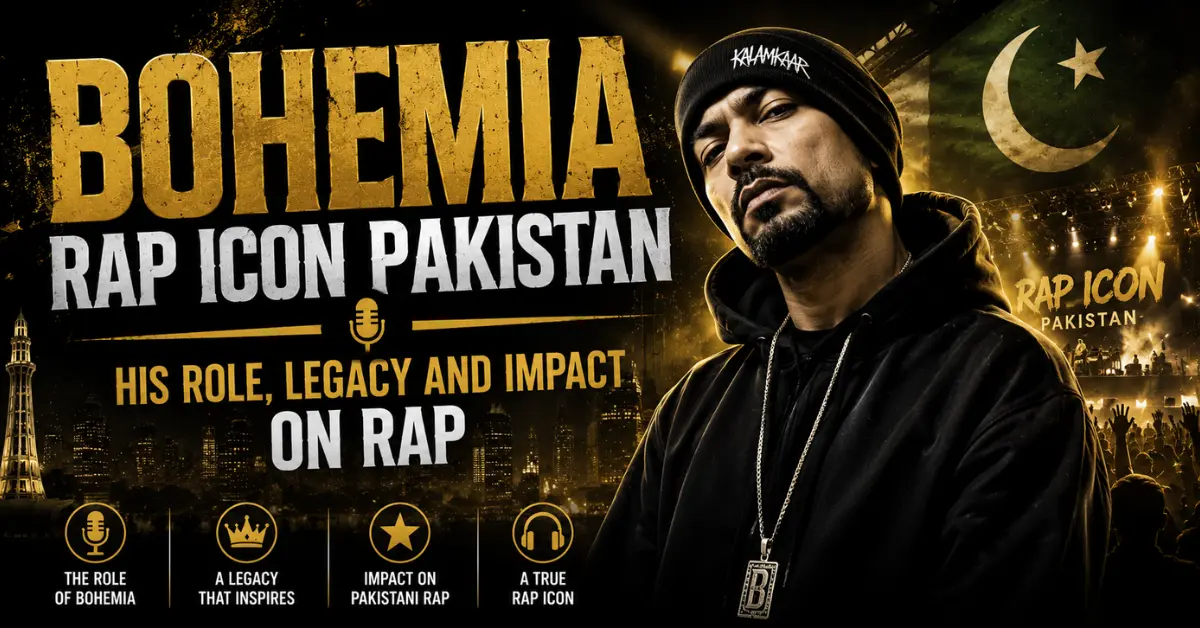
Bohemia Rap Icon Pakistan has become a popular search topic among South Asian hip-hop fans because the Pakistani-American rapper is serving as one of the judges on Rap Icon Pakistan. The show brings emerging rappers into a competitive format built around rap performances, challenges, eliminations, and a final battle for the title of Rap Icon. Bohemia shares the judging panel with Pakistani rapper Talha Anjum.
For audiences in India, Bohemia’s involvement is especially interesting because his career has long connected Punjabi-language rap with the wider South Asian music scene. His experience gives the show a link between an earlier generation of Punjabi hip-hop and today’s rapidly developing rap culture.
This guide explains Bohemia’s role in Rap Icon Pakistan, his background, why his presence matters, what contestants can learn from his approach, and why the show has attracted attention beyond Pakistan.
Who Is Bohemia Rap Icon Pakistan?
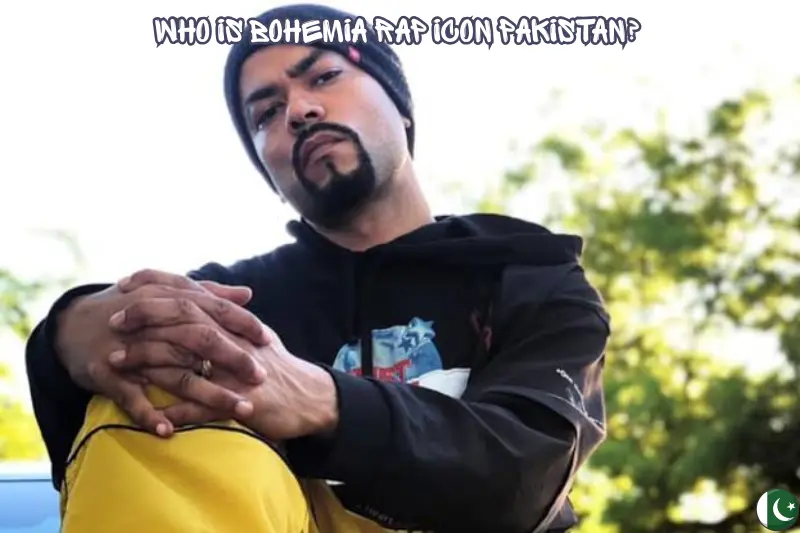
Bohemia is the stage name of Roger David, a Pakistani-American rapper, songwriter, singer, and producer. He was born in Karachi and later moved to the United States, where he developed his musical career. He is strongly associated with Punjabi rap and the development of Desi hip-hop.
His career is important to understanding why he fits the Rap Icon Pakistan judging panel. Rather than representing only modern commercial rap, Bohemia comes from a period when Punjabi rap was still developing its identity within the broader South Asian music industry.
Apple Music describes his 2006 album Pesa Nasha Pyar as a major milestone because it became the first full-length Punjabi rap album released by a major label. His catalogue has also included collaborations and projects that connected Punjabi rap with artists and audiences outside Pakistan.
Bohemia’s Connection With Punjabi Rap
Bohemia’s musical identity is closely connected to Punjabi-language songwriting and rap. His style helped demonstrate that rap could be built around Punjabi vocabulary, storytelling, rhythm, and cultural references rather than simply copying English-language hip-hop.
That background is relevant to Rap Icon Pakistan because contestants are not competing only on speed or aggressive delivery. Rap also involves writing, flow, timing, voice control, originality, storytelling, and the ability to communicate an idea effectively.
For Indian viewers familiar with Punjabi music, Bohemia’s presence also creates a natural connection between Pakistani rap and the wider Punjabi-speaking music audience.
What Is Bohemia’s Role in Rap Icon Pakistan?
Bohemia is one of the judges on Rap Icon Pakistan, alongside Talha Anjum. The competition was announced as Pakistan’s first reality rap show and was designed to discover emerging rap talent.
The show’s reported format includes around 10 episodes and a group of emerging contestants competing through different rap-focused challenges. Participants face eliminations as the competition progresses, with the strongest performers moving toward the final stage.
What Does a Judge Evaluate?
A rap competition requires more than simply deciding whether a song sounds good. A useful judging framework can include:
- Lyrics: Are the words meaningful, creative, and memorable?
- Flow: Does the rapper stay naturally connected to the beat?
- Delivery: Does the voice communicate confidence and emotion?
- Timing: Does the artist understand rhythm and pauses?
- Originality: Does the performance have its own identity?
- Stage presence: Can the rapper hold an audience’s attention?
- Adaptability: Can the artist perform effectively under different challenges?
These areas are particularly important for emerging rappers because technical ability alone does not necessarily create a distinctive artist.
Why Bohemia Is an Important Judge
The Bohemia Rap Icon Pakistan topic is important for understanding why an experienced Punjabi rapper was selected for the judging panel. Bohemia Rap Icon Pakistan connects his long musical career with a new generation of performers who are building their own identity in Pakistani hip-hop.
Bohemia brings a different perspective to Rap Icon Pakistan because his career stretches across multiple phases of South Asian hip-hop. His experience as a Punjabi rapper and producer gives him familiarity with songwriting, recording, performance, and the evolution of rap audiences.
Bohemia Rap Icon Pakistan is an important topic for fans who want to understand the connection between an established Punjabi rap artist and Pakistan’s growing rap competition. The Bohemia Rap Icon Pakistan discussion is not limited to his judging role; it also covers his influence on Punjabi hip-hop, his experience as a rapper and songwriter, and the perspective he brings to emerging performers.
For Indian audiences, Bohemia Rap Icon Pakistan also provides an interesting connection between Pakistani rap and the wider South Asian hip-hop scene. Understanding Bohemia Rap Icon Pakistan can help readers explore why his experience matters to the show’s contestants and why his involvement has attracted attention from Punjabi and rap music fans.
His presence also creates an interesting contrast with Talha Anjum. Talha represents a younger and highly influential phase of Pakistani hip-hop, while Bohemia’s career connects with an earlier generation of Punjabi rap and Desi hip-hop.
The combination gives contestants exposure to different perspectives on what makes rap effective.
Experience Matters in a Rap Competition
A competition can identify talented performers, but experienced artists can also help explain why certain performances work.
For example, a contestant might have:
- Strong lyrics but weak delivery.
- Excellent flow but repetitive songwriting.
- Powerful stage presence but limited originality.
- Creative concepts but inconsistent rhythm.
- Good technical skills but no recognizable artistic identity.
A knowledgeable judge can look beyond the surface performance and identify these differences.
Bohemia Rap Icon Pakistan and the Growth of Desi Hip-Hop

The interest surrounding Bohemia is connected to a much larger development: the growth of Desi hip-hop.
Desi hip-hop includes rap and hip-hop music created within South Asian cultural contexts. It can involve languages such as Punjabi, Urdu, Hindi, Bengali, and other regional languages. Artists often combine modern hip-hop structures with local storytelling, cultural references, and regional musical influences.
Bohemia’s career is frequently discussed within this history because of his contribution to Punjabi rap. His work helped demonstrate that regional-language rap could develop a strong identity of its own.
Why This Matters for Indian Audiences
Indian listeners have witnessed a major expansion of regional-language rap over the past decade. Punjabi rap, Hindi rap, and other forms of Indian hip-hop now occupy an important part of the wider South Asian music conversation.
That makes Rap Icon Pakistan relevant beyond its home country.
Indian viewers may be interested in the show because it offers a look at Pakistan’s emerging rap scene, its performers, production style, competitive format, and musical influences.
Bohemia also provides a familiar connection for listeners who already know Punjabi hip-hop.
What Makes Bohemia Rap Icon Pakistan Different?
Rap Icon Pakistan is significant because it focuses specifically on rap rather than using rap as one category inside a general singing competition. Before its launch, Pakistani reality television had already used formats such as cooking, business, and singing competitions, but the new programme placed rap at the centre of the competition.
The announced format includes themed rap challenges and eliminations, meaning contestants must demonstrate versatility instead of depending on one successful performance.
Skills Contestants Need
An aspiring rapper entering a competition like this should work on several areas at the same time.
1. Writing
Good rap starts with strong writing. Artists should develop ideas, wordplay, storytelling, punchlines, and memorable hooks.
2. Flow
Flow determines how lyrics move over an instrumental. A contestant should practise different rhythms rather than relying on one familiar pattern.
3. Voice and Delivery
The same lyrics can feel completely different depending on delivery. Changes in tone, emphasis, pauses, and energy can transform a performance.
4. Performance
A rapper must communicate with the audience, not simply read lyrics over a beat. Eye contact, movement, confidence, and stage control can all influence the overall performance.
5. Originality
Copying another rapper’s sound may work temporarily, but a competition designed to discover new artists ultimately needs performers with their own identity.
Lessons Emerging Rappers Can Learn From Bohemia
One of the biggest lessons associated with Bohemia’s career is the value of developing an identifiable musical identity.
An artist does not necessarily need complicated production or expensive visuals to stand out. Strong writing, a recognizable voice, consistent themes, and an authentic connection with the audience can be more valuable over time.
Build a Distinct Rap Identity
New rappers can use the following approach:
- Choose subjects they genuinely understand.
- Develop a recognizable writing style.
- Practise different flows.
- Study rhythm and breath control.
- Record performances and analyse mistakes.
- Avoid copying another artist’s complete style.
- Learn how to perform both written and spontaneous material.
- Develop songs rather than focusing only on short clips.
The goal should be to become recognizable without needing the audience to see the artist’s name first.
Bohemia’s Broader Influence on South Asian Hip-Hop
The growing interest in Bohemia Rap Icon Pakistan reflects the continued popularity of Punjabi and Desi hip-hop across South Asia. Understanding Bohemia Rap Icon Pakistan also helps readers explore how regional-language rap has developed and how experienced artists can influence newer generations.
Bohemia’s importance extends beyond Rap Icon Pakistan. His career has been associated with Punjabi rap and the broader Desi hip-hop movement for many years. Apple Music identifies him as a Pakistani-American artist whose work helped establish a significant Punjabi rap milestone with Pesa Nasha Pyar.
His career also illustrates how South Asian music can cross geographic boundaries.
An artist can be born in Pakistan, develop professionally in the United States, work primarily in Punjabi, and reach listeners throughout India and other parts of the world. That cross-border reach is one reason Bohemia remains relevant to discussions about South Asian rap.
In 2024, Geo News also reported that Bohemia was honoured at the UK Parliament for contributions to Punjabi music and rap.
Why Indian Fans May Be Interested in Rap Icon Pakistan
For Indian audiences, Bohemia Rap Icon Pakistan offers an interesting connection between Punjabi music, Pakistani rap, and the wider South Asian hip-hop community. Fans searching for Bohemia Rap Icon Pakistan can also learn more about his judging role and the influence of established rap artists on emerging performers.
For Indian viewers, the attraction is not limited to Bohemia.
The show offers an opportunity to discover Pakistani rappers, understand different approaches to Urdu and Punjabi rap, and compare the development of hip-hop scenes across South Asia.
For readers searching for Bohemia Rap Icon Pakistan, the main point of interest is his position as a judge and his connection with Punjabi rap.
Bohemia Rap Icon Pakistan also represents the meeting point between established Desi hip-hop experience and the newer generation of Pakistani rappers.
His involvement gives viewers another way to understand the development of rap performance, songwriting, flow, and stage presence in the region.
There are several reasons the programme can appeal to Indian hip-hop audiences:
- Bohemia is already familiar to many Punjabi rap listeners.
- Pakistani rap has developed its own lyrical and cultural identity.
- The competition introduces emerging artists.
- Rap battles and challenges create performance variety.
- Indian and Pakistani hip-hop share some linguistic and cultural connections.
- The programme provides a direct look at Pakistan’s contemporary rap scene.
The result is a cross-border music conversation in which listeners can focus on artistry rather than geography.
Strengths and Limitations of a Rap Reality Show
A reality competition can give new artists exposure, but it should not be treated as the only measure of musical ability.
Potential Benefits
Visibility: Contestants can reach audiences who may never discover them through independent releases.
Competition: Challenges can force rappers to work outside their comfort zones.
Experience: Performing under pressure can prepare artists for professional stages.
Discovery: Viewers can discover new voices and follow their development.
Industry exposure: A successful appearance can create opportunities beyond the programme.
Possible Limitations
A television or online competition has limited time. Editing can also influence how audiences perceive performances.
A rapper who performs poorly once is not necessarily a poor artist. Likewise, winning a competition does not automatically guarantee a long-term music career.
For that reason, viewers should treat Rap Icon Pakistan as one platform for discovering talent rather than the final authority on who is the best rapper.
How to Watch Rap Icon Pakistan More Critically
Fans can enjoy the entertainment while also paying attention to the technical side of each performance.
When watching an episode, ask:
- What is the rapper actually saying?
- Does the flow match the beat?
- Is the hook memorable?
- Does the artist have a recognizable voice?
- Are the lyrics original?
- Does the performance communicate emotion?
- Can the rapper adapt to a different challenge?
This approach can make the show more interesting for listeners who want to understand rap rather than simply follow the competition.
Readers interested in Bohemia Rap Icon Pakistan can also explore our related guides on Rap Icon Pakistan Host, Rap Icon Pakistan Episode 1, Rap Icon Pakistan Episode 4, and Pakistan Rap Icon to learn more about the show’s host, episodes, judges, contestants, and the growing rap culture in Pakistan.
For reliable background information about Bohemia Rap Icon Pakistan and his role in the competition, readers can refer to Dawn Images, a trusted Pakistani news publication covering the show’s judges and competition format.
Frequently Asked Questions
1. Who is Bohemia in Rap Icon Pakistan?
Bohemia is one of the judges on Rap Icon Pakistan. He is a Pakistani-American rapper, songwriter, singer, and producer associated strongly with Punjabi rap and Desi hip-hop. His long experience in the genre gives him a useful perspective when evaluating emerging rappers competing on the programme.
2. Is Bohemia a judge on Rap Icon Pakistan?
Yes. Bohemia is a confirmed judge on Rap Icon Pakistan, alongside Talha Anjum. The show was created as a reality rap competition designed to identify emerging Pakistani rap talent through different challenges and elimination rounds.
3. Why is Bohemia important to Punjabi rap?
Bohemia is widely associated with the development of Punjabi rap and the wider Desi hip-hop movement. His 2006 album Pesa Nasha Pyar is particularly notable because it was the first full-length Punjabi rap album released by a major label, according to Apple Music’s artist biography.
4. Why should Indian fans watch Rap Icon Pakistan?
Indian hip-hop fans may find the programme interesting because it showcases emerging Pakistani rappers and provides a look at the country’s rap culture. Bohemia also creates a familiar connection for audiences who follow Punjabi music. The programme offers an opportunity to compare different approaches to lyrics, flow, performance, and regional-language hip-hop.
5. What can new rappers learn from Bohemia?
Emerging rappers can learn the importance of developing a recognizable identity, improving songwriting, practising flow, controlling delivery, and understanding performance. A strong rapper needs more than technical speed; originality, storytelling, timing, confidence, and the ability to connect with listeners are also important.
Conclusion
Bohemia Rap Icon Pakistan represents more than a popular search phrase. It connects one of the established names associated with Punjabi rap to a new generation of Pakistani artists competing for recognition.
Bohemia’s role as a judge gives Rap Icon Pakistan a connection to the history of Desi hip-hop, while the show’s contestants represent the direction in which Pakistan’s rap scene may develop next. For Indian audiences, the programme is also an interesting opportunity to explore Pakistani hip-hop and discover artists working across Punjabi, Urdu, and other South Asian influences.
The practical next step for fans is simple: watch the performances with attention to lyrics, flow, originality, delivery, and stage presence. Instead of judging a rapper only by popularity, look for the qualities that can support a sustainable career beyond the competition.
